









Signs Your Hearing Aids Need Adjustment: Insights from the Hearing Doctor
Hearing aids are essential tools for individuals experiencing hearing loss, offering improved communication, safety, and overall quality of life. However, even the most advanced hearing aids may require periodic adjustments to ensure optimal performance. The hearing doctor plays a crucial role in evaluating your hearing needs and making precise adjustments so your devices continue to function effectively. Recognizing when your hearing aids need attention can prevent frustration, enhance comfort, and maintain consistent sound quality.
Modern hearing aids are designed to accommodate a wide range of hearing impairments, but changes in hearing, device wear, or improper fitting can affect performance. Users may not immediately realize that an adjustment is necessary, which is why being aware of the signs is important. The hearing doctor can assess your devices, make the necessary calibrations, and provide guidance on proper usage, ensuring that your hearing aids continue to meet your unique hearing requirements.
Common Signs Your Hearing Aids Require Adjustment
One of the most obvious signs that your hearing aids need adjustment is a sudden change in sound clarity. If voices, television audio, or environmental noises seem muffled or distorted, it could indicate that your devices are not calibrated correctly. The hearing doctor can fine-tune the settings to match your current hearing profile, restoring clarity and reducing strain on your ears.
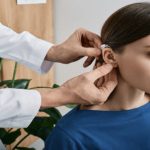
Another sign is discomfort or pain while wearing your hearing aids. Ill-fitting devices can cause soreness, irritation, or pressure points. This not only impacts comfort but can also affect how well the hearing aids transmit sound. A professional evaluation by the hearing doctor ensures that the devices fit properly, and adjustments can be made to the ear mold or earpiece for a more comfortable experience.
Feedback or whistling sounds from your hearing aids are also common indicators of adjustment needs. These issues often occur due to changes in ear shape, device placement, or wax buildup. The hearing doctor can identify the source of feedback and make precise adjustments to prevent these sounds, ensuring smooth and uninterrupted hearing.
Changes in Hearing Ability
Hearing is not static; it can fluctuate over time due to age, illness, or environmental factors. If you notice that certain frequencies are harder to hear or that conversations in noisy settings have become challenging, it may be time to visit the hearing doctor. Adjusting your hearing aids to reflect your current hearing levels helps maintain the effectiveness of your devices and supports continued communication confidence.
Battery life and device functionality also provide clues. If your hearing aids are not holding a charge, malfunctioning intermittently, or showing error signals, adjustments or repairs may be required. The hearing doctor can test the devices, replace worn components, and update software to ensure they operate reliably.
Professional Assessment and Fine-Tuning
Regular checkups with the hearing doctor are recommended, even if no immediate issues are apparent. These visits allow for proactive adjustments, preventing minor problems from becoming major obstacles to hearing clarity. During an assessment, the hearing doctor can perform comprehensive hearing tests, evaluate device performance, and make precise calibrations tailored to your individual hearing profile.
Fine-tuning your hearing aids involves adjusting amplification levels, frequency response, and program settings to suit your specific environment. For example, a user may require higher amplification for conversations in noisy settings or different settings for watching television. The hearing doctor ensures these adjustments are balanced, improving comfort and sound quality without causing distortion or discomfort.
Tips for Maintaining Hearing Aid Performance
In addition to professional adjustments, proper maintenance can extend the effectiveness of your hearing aids. Regular cleaning, safe storage, and timely battery replacement all contribute to consistent performance. Monitoring for wax buildup, moisture, or device damage and reporting these issues to the hearing doctor ensures your hearing aids remain in top condition.
Staying attuned to your hearing experience and seeking timely adjustments from the hearing doctor allows you to fully benefit from your devices. By addressing signs of reduced clarity, discomfort, feedback, or changes in hearing ability, you maintain optimal hearing health and enhance your overall quality of life.
Recognizing when your hearing aids need adjustment is essential for maintaining clear communication, comfort, and device performance. With the guidance of the hearing doctor, users can address common issues promptly, ensure proper fit, and enjoy the full benefits of their hearing aids. Regular assessments and proactive care help preserve hearing aid effectiveness and support a confident, connected lifestyle.