
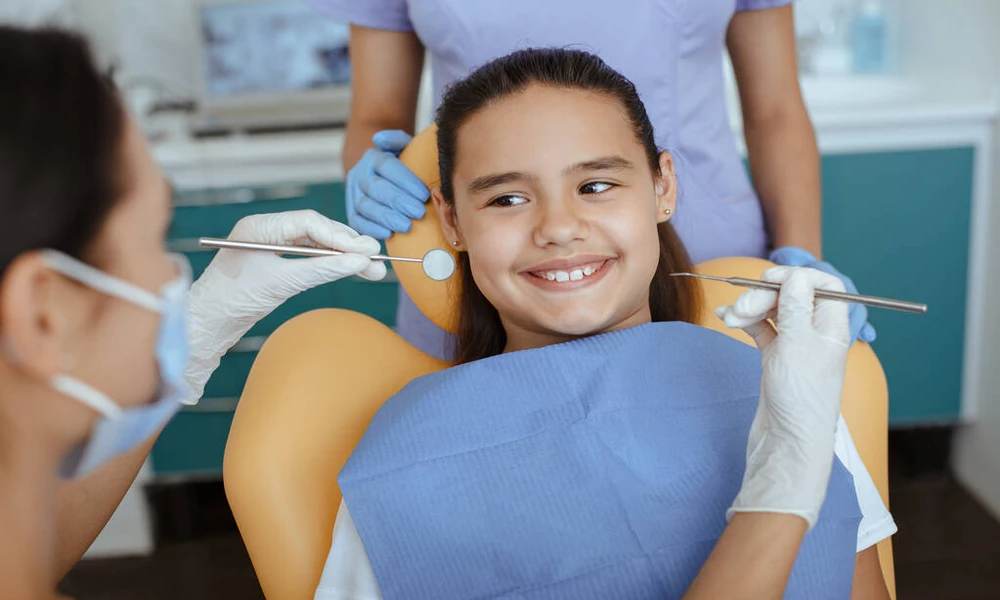

A child’s facial growth and development play a major role in their long-term health and well-being. While many parents focus on dental alignment and straight teeth, jaw development is equally important. Proper jaw growth affects breathing, chewing, swallowing, speech, sleep quality, and even facial structure. When the upper or lower jaw does not develop properly, children may experience a range of challenges that can impact both oral function and overall health.
Guided jaw growth is a modern approach that focuses on supporting healthy jaw development during childhood. By identifying concerns early and encouraging proper growth patterns, healthcare professionals can help children build stronger foundations for better oral health and airway function.
Why Jaw Development Matters
Growth of the jaws starts early in childhood and continue until adolescence. The teeth, jaw muscles and soft tissues of the face keep growing in these years. With proper growth, there is enough space for teeth, proper breathing and balanced facial growth.
A child with restricted or underdeveloped jaw growth can have the following issues:
- Crowded teeth
- Mouth breathing
- Poor sleep quality
- Snoring
- Difficulty chewing
- Speech challenges
- Narrow dental arches
While they may appear to be unrelated at first, these problems can be related to the structure of the jaw and the development of the airway. Visit https://www.ourstrongties.com/blog-1/why-jaw-development-matters-during-the-teen-years for reference.
A healthy jaw is more than a pretty face; it is vital to everyday life.
Signs of Jaw Development Concerns
Parents might notice some signs that warrant a child’s jaw growth being assessed. Some signs are more apparent and others more subtle.
Common signs include:
- Chronic mouth breathing
- Snoring or noisy sleep
- Teeth crowding at an early age
- Frequent fatigue
- Open-mouth posture
- Difficulty chewing food properly
- Dark circles under the eyes
If children have these characteristics, they could benefit from seeing professionals who have experience in growth and airway development.
It is often true that the earlier a disease can be identified, the better.
The Importance of Early Intervention
One of the best things about treating jaw development problems when they’re young is that children are still growing. This developmental period offers opportunities to influence development more than at adulthood.
Proper jaw development and support of the airways can be promoted by early intervention and therefore the risk of more serious problems later in life can be minimized.
Early supports are not offered only when problems get more complicated or complex but are offered when the body is still developing.
This proactive strategy can make a difference.
guided jaw growth for kids is directed at facilitating the growth of the jaw to ensure proper development with techniques and treatment plans specifically for growing children. The intention is to promote appropriate jaw growth that will facilitate breathing, oral function and a balanced facial development.
There is no single treatment that is suitable for every child; each child will have a different treatment program depending on their individual needs, age and growth stage. There are several instruments and approaches that providers can employ to aid development such as oral exercises, orthodontic equipment and habit correction.
Personalised approach as each child grows in a unique way.
Early guidance can help develop more space for teeth, better oral posture and help to support healthy breathing patterns.
Connection Between Jaw Growth and Breathing
The link between breathing and airway health has been one of the most significant reasons for the focus on guided jaw growth.
If the jaw is narrow or the face is underdeveloped it can decrease the size of the air passages making it harder to breathe through the nose. This can lead to mouth breathing, difficulty sleeping and restless sleep.
Nasal breathing helps to improve air uptake and filtering in the airway system. Good breathing leads to children sleeping better and feeling rested during the day.
Encouraging healthy jaw is beneficial for breathing and sleep.
The Role of Parents and Caregivers
When there are concerns, parents are an important early indicator and play an important role in seeking evaluation. Many jaw problems occur over a period of time and early detection is important.
Other healthy habits can be supported by caregivers by doing the following:
- Encouraging nasal breathing
- Promoting proper posture
- Monitoring sleep quality
- Supporting healthy oral habits
They can be used in tandem with professional care and can help to enhance results over time.
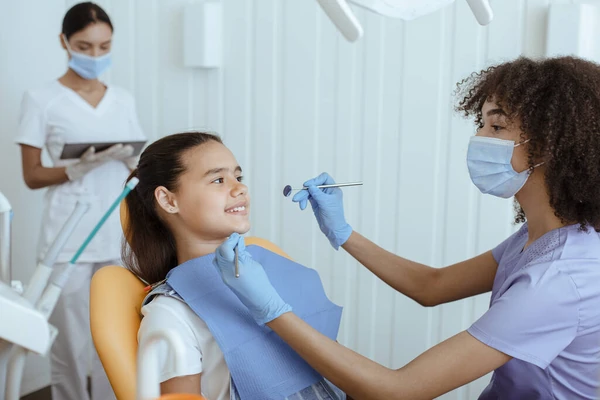
Ongoing support from a home can make a big difference in regards to long-term success.
Long-Term Benefits
Guided jaw growth has significant long term benefits for children. Results can be positive in several domains of health and development, but depends on the individual and the timing of the intervention.
Potential benefits include:
These enhancements are enhanced by both comfort and quality of life. Read this for more information.
Conclusion
Guided jaw growth offers a proactive approach to supporting healthy development in children. By focusing on jaw structure, airway health, and oral function, this approach helps address concerns before they become more serious.
Early identification and intervention can make a significant difference in a child’s growth and long-term wellness. With the right support, children can develop healthier breathing patterns, improved oral function, and stronger foundations for lifelong health.