

Age-related macular degeneration (AMD) affects the macula, the central part of the retina responsible for detailed vision. As AMD progresses, it can interfere with activities such as reading, recognising faces, driving, and seeing fine details.
Treatment depends on the type and stage of AMD. While there is currently no universal cure that reverses all forms of the disease, modern treatments can help slow progression, manage complications, and preserve useful vision. Understanding what happens during treatment for AMD disease can help patients feel more prepared for consultations and procedures.
Treatment Begins With a Detailed Eye Assessment
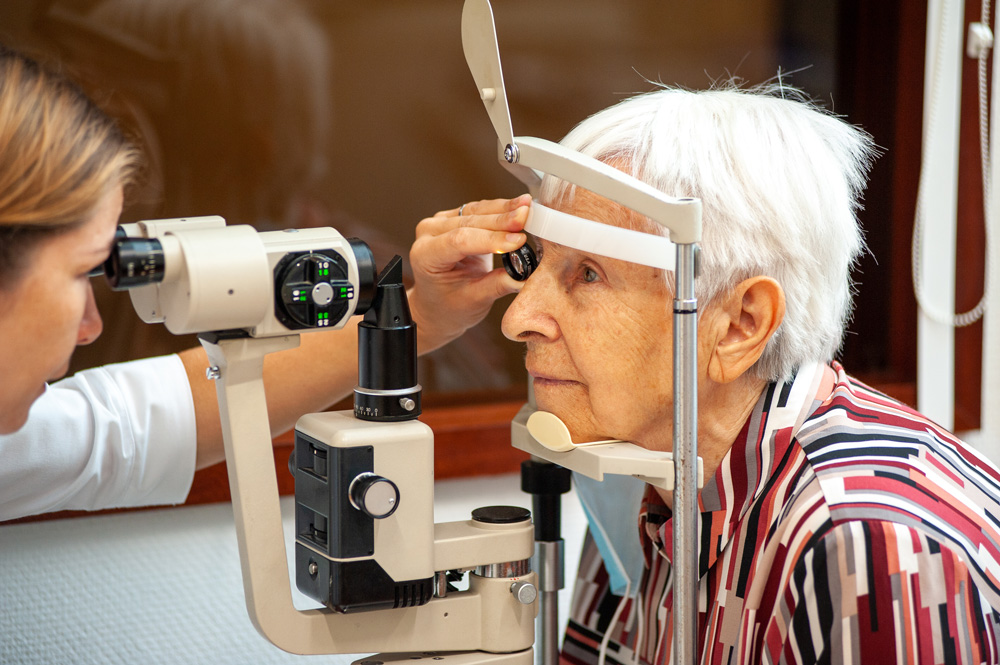
Before treatment is recommended, an ophthalmologist will usually perform a comprehensive examination to understand the condition of the retina and determine whether treatment is appropriate.
The assessment may include a dilated eye examination, visual acuity testing, and retinal imaging. Optical coherence tomography (OCT) can provide detailed cross-sectional images of the retina and help identify fluid or swelling.
Additional imaging, such as fluorescein angiography or optical coherence tomography angiography, may be recommended when the specialist needs more information about abnormal blood vessels.
These assessments help determine whether a patient has dry AMD, wet AMD, or another retinal condition that may require a different approach.
Treatment Depends on the Type of AMD
Not everyone with AMD receives the same age-related macular degeneration disease treatment. Early and intermediate dry AMD may be monitored regularly, while certain patients may be advised to take specific nutritional supplements based on the findings of their eye examination.
Advanced dry AMD can sometimes involve geographic atrophy, an area of retinal cell loss that can progressively affect central vision. In some cases, medicines designed to slow the progression of geographic atrophy may be considered.
Wet AMD is different because abnormal blood vessels can grow beneath or within the retina and leak fluid or blood. This form generally requires prompt medical management to reduce the risk of further vision loss.
What Happens With Anti-VEGF Injections?
For many people with wet AMD, AMD disease treatment involves injections of anti-vascular endothelial growth factor (anti-VEGF) medicine into the affected eye.
Before the injection, the eye is cleaned and numbing drops are applied. The procedure is performed using sterile techniques to reduce the risk of infection.
The medication is delivered through a very fine needle into the vitreous, the gel-like substance inside the eye. Although the idea of an eye injection can sound alarming, the procedure itself is generally brief.
Patients may experience mild irritation, watering, or a sensation of pressure afterward. Their ophthalmologist will provide instructions about what symptoms should prompt urgent medical attention.
Are Multiple Treatments Usually Needed?
AMD treatment is often a process rather than a single procedure. Anti-VEGF medicines may need to be administered repeatedly because the abnormal blood vessel activity can return after the effects of a previous injection decrease.
The treatment schedule varies between individuals. Some patients may initially receive injections at regular intervals before appointments become less frequent if the retina remains stable.
OCT scans are commonly used during follow-up visits to determine whether fluid or other signs of disease activity remain. The ophthalmologist can then adjust the treatment schedule according to the response.
What Happens During Follow-Up?
Regular monitoring is an important part of AMD disease treatment. Follow-up appointments allow the ophthalmologist to determine whether the condition is stable or whether additional treatment is necessary.
Patients may undergo visual acuity testing and OCT imaging during these visits. Comparing current images with previous scans can help the specialist identify subtle changes that may not yet be obvious to the patient.
Between appointments, patients should remain aware of changes in their vision. New distortion, blurred central vision, or a sudden dark or empty area should be reported promptly.
Understanding Your Treatment Plan
The experience of AMD disease treatment can vary considerably depending on whether the condition is dry or wet, its stage, and the individual’s overall eye health.
Some people may primarily require observation and lifestyle guidance, while others may need repeated injections or other specialist interventions. Treatment decisions should therefore be based on a thorough retinal assessment rather than symptoms alone.
If you have been diagnosed with AMD or notice new changes in your central vision, speaking with an ophthalmologist can help clarify your diagnosis and available options. With appropriate monitoring and AMD disease treatment, patients can take informed steps toward preserving their vision and maintaining their quality of life.